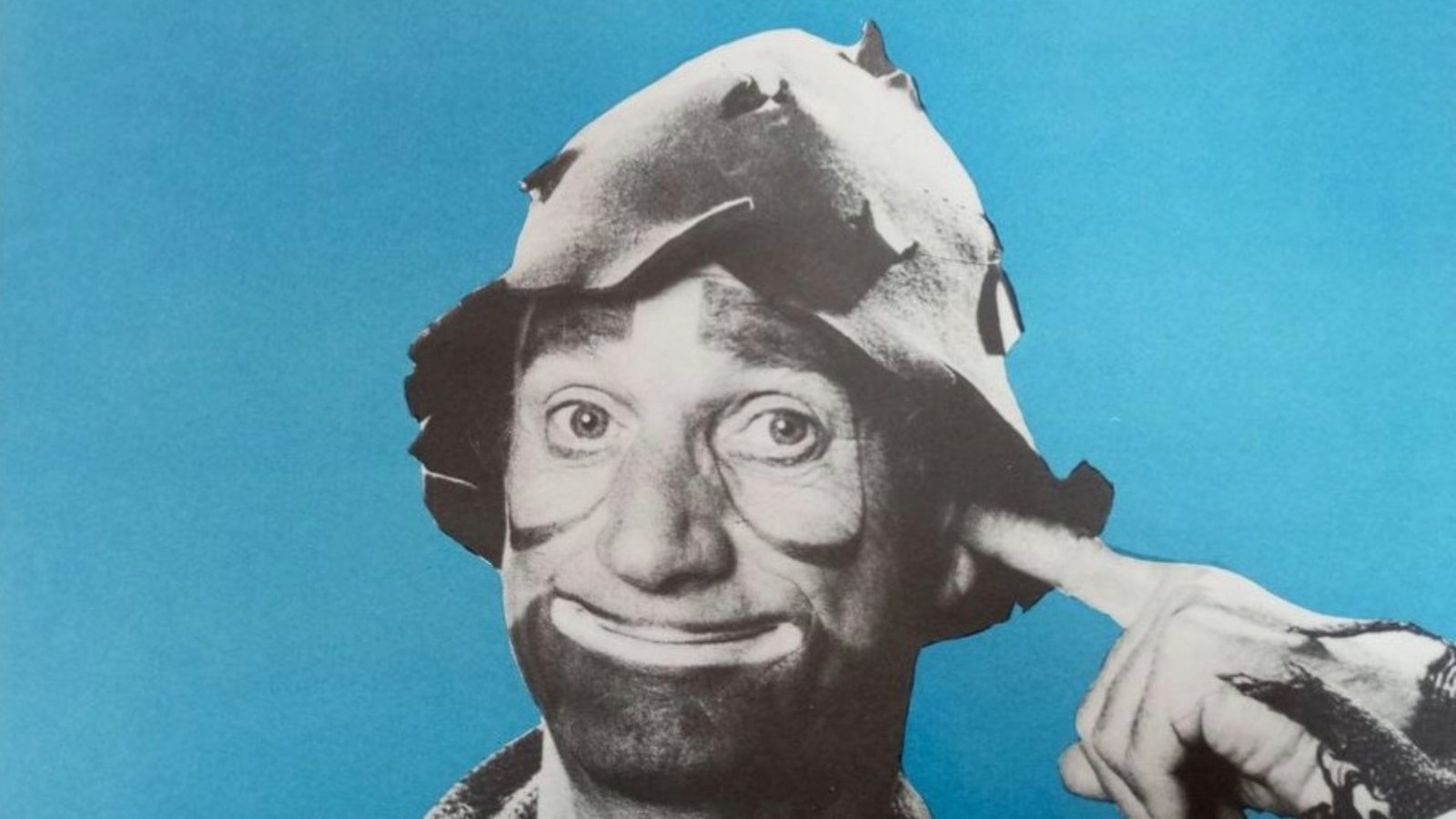
There was a time when clowns were everywhere in popular culture, especially on television. When I think back on those early years, I remember how North American clowns felt bright, goofy, and endlessly cheerful, perfectly designed for young viewers discovering the world through early TV. Characters like Bozo the Clown and Ronald McDonald filled screens and imagination. Television brought these clowns directly into our homes, and they quickly became familiar faces for an entire generation. Ronald McDonald, in particular, became an icon. Through massive national advertising, he embodied fun, comfort, and childhood innocence, shaping how millions of kids understood what a clown was supposed to be.
But European clowns belonged to a much older, more emotional tradition, one that I only came to appreciate with time. The Pierrot figure of the 19th century, deeply tied to the Decadent movement, expressed longing, heartbreak, and poetic fragility. Pierrot was not a slapstick entertainer; he was a symbol of vulnerability, speaking to ordinary people facing hardship. This more melancholic character eventually crossed into North American culture through Emmett Kelly’s Weary Willie, whose sad, worn face became an emblem of the Great Depression era struggle. His world-weary look reminded audiences that humor can be a lifeline during dark times.
Even in visual art, the figure of the clown carried profound meaning. Pablo Picasso famously returned again and again to clowns, harlequins, and saltimbanques. For him, these characters were more than performers; they were mirrors of the human condition and reflections of the artist himself. Picasso used these figures as alter egos, exploring joy, melancholy, isolation, and artistic vulnerability across multiple periods of his career. His clowns blended celebration and sadness, echoing the emotional contradictions that define both art and life.
These many layers of the clown tradition, from the cheerful and commercial to the poetic and sorrowful, shaped me as a child in ways I did not fully understand until later. Growing up between English and French cultures meant absorbing influences from both sides, and one of the most powerful from my French Canadian side was the beloved Quebec television show Sol et Gobelet. Airing on Radio Canada from 1968 to 1971, the show felt simple by today’s standards, yet it was magical to me.
Sol et Gobelet followed two clowns navigating a topsy-turvy version of everyday life. Sol embodied the classic sad clown tradition, carrying gentle melancholy and understated humor, while Gobelet countered him with exuberance, energy, and spontaneous laughter. Created and performed by Luc Durand (Gobelet) and Marc Favreau (Sol), the show blended imagination, chaos, warmth, and emotional insight. Their cluttered apartment was a playground where the ordinary became surreal. Quebec audiences adored them, and the series drew nearly one million viewers at its peak, an extraordinary achievement for Canadian television at the time.
Each character brought something distinct. Sol was naive, gullible, and charmingly confused, stumbling from one disaster to the next with hopeful innocence. Gobelet added bursts of passion, physical comedy, and expressive warmth. Together, they created a euphoric, unpredictable humor that thrived in the strangest and most outlandish situations. Their world made no logical sense, yet somehow it delivered emotional truth, and that was the magic.
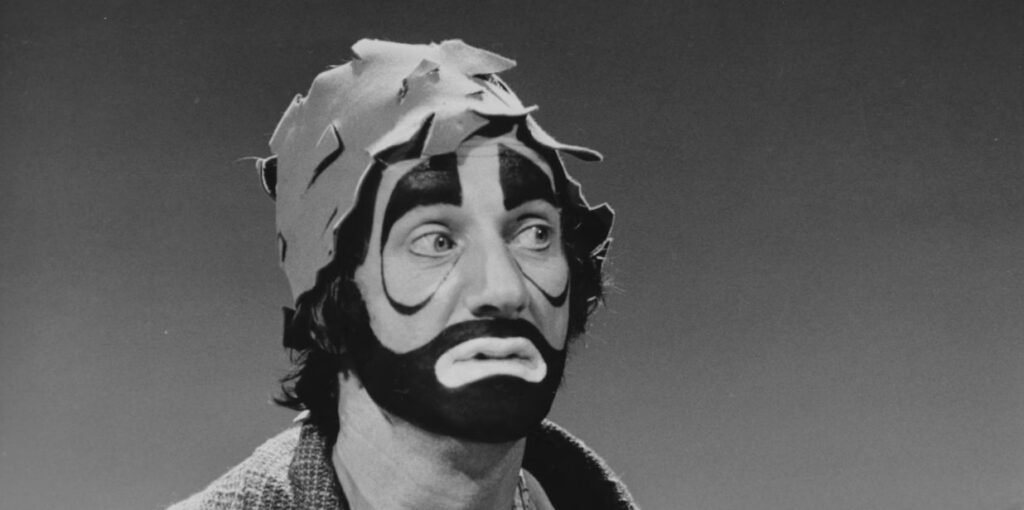
Sol, however, became the character who stayed with me throughout my life. His whimsical language, playful nonsense, and quiet sadness spoke to me in a way I could not yet articulate. His vocabulary felt like a secret emotional code, revealing truths between the lines. It is worth noting that Marc Favreau, the actor behind Sol, is not related to American filmmaker Jon Favreau. Marc Favreau was a singular Quebec cultural icon whose influence stretched far beyond the province.
Sol had originated in 1958, and Marc Favreau was so devoted to the character that he continued performing him long after the series ended. In 1972, Favreau transformed Sol into a solo stage presence, crafting monologues filled with wordplay, philosophy, and gentle humor about life’s complexities. Through these performances, Sol addressed themes like aging, loneliness, inequality, the abuse of power, and the fragile beauty of everyday existence. Dressed in his patched coat and cloche hat, he delivered truths with sincerity and simplicity.
Sol even had a first name: Auguste. Favreau believed that Auguste represented every ordinary person carrying quiet burdens. He once said that we are all a little bit like Auguste, because everyone experiences injustice and confusion, and everyone seeks moments of wonder. Favreau himself became known as a linguistic virtuoso, writing books of poetry where words flowed like a balm for the spirit.
Later, Favreau took Sol to TV Ontario, where the sad, whimsical clown became an unlikely hero in the quest to teach English-speaking kids French. Armed with humor and charm, Sol turned language lessons into comedy gold. Each episode kicked off with Favreau appearing as himself, speaking English and dropping a handful of French words and phrases for the audience to savor. Then came the real fun: a short sketch with Sol, performed entirely in French, where those very words came to life, often in the most absurd, hilarious, and delightfully confusing ways. By the end, kids weren’t just laughing, they were learning French without even realizing it, making Sol one of Canada’s most unconventional (and entertaining) educators.
One of my favorite quotes from Marc Favreau perfectly captures his outlook on life and is something I try to carry with me every day:
“I’ve always tried to rediscover the wonder and innocence of childhood. It’s far too easy to lose it when we put on a suit, grab a briefcase, and try to look ‘grown-up’ or trendy. But keeping a childlike view of the world helps us see its magic and possibilities.”
Looking back, I can see how the entire spectrum of clowning, from North American TV mascots to European dreamers to Picasso’s symbolic saltimbanques, shaped my understanding of humor and emotion. They taught me that laughter and sadness often walk hand in hand, that comedy can reveal truths hidden beneath everyday life, and that clowns, in all their forms, embody something profoundly human. Perhaps that is why they still hold such an important place in my memories today.